
LNC for Corporate Fleets
Corporate Fleets: Lower OPEX Without Replacing Equipment
Target Audience
- Logistics companies
- Delivery services
- Taxi fleets
- Buses
- Commercial transportation operators
- Corporate vehicle fleets
The Challenge
Fleet operating costs are primarily driven by:
- Fuel consumption
- Vehicle downtime
- DPF and SCR maintenance
- Loss of engine efficiency in real-world operation
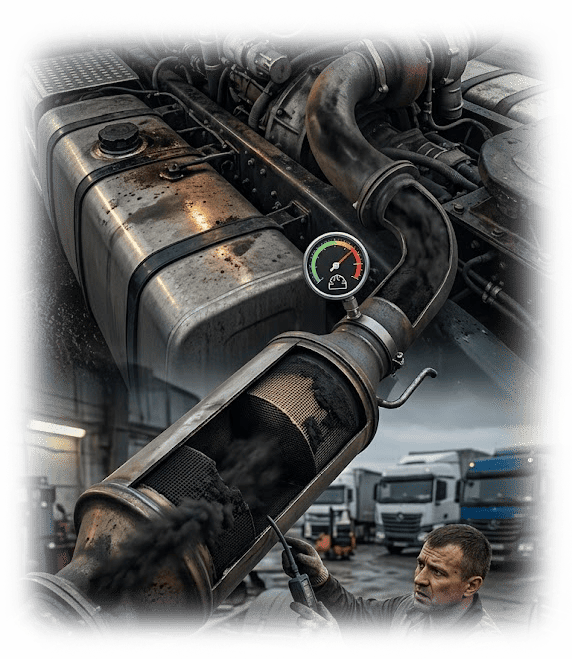
Unstable combustion results in soot formation,
increased backpressure, and greater stress on emission control systems.
What MiaNOx Does
- MiaNOx LNC controls combustion within the combustion chamber, reducing the formation of Black Carbon and Particulate Matter (PM) before pollutants enter the exhaust system.
- This reduces the load on DPF and SCR systems and stabilizes engine performance under real operating conditions, including urban driving, highway operation, cold starts, and variable load conditions.
Benefits for Fleet Operators
- Fuel consumption reduction starting from 4%
- Up to 15–25% under validated diesel operating conditions
- Reduced DPF regeneration frequency
- Reduced backpressure
- Reduced vehicle downtime
- Lower maintenance costs
- Improved engine stability
- Reduced smoke emissions
- Environmental reporting benefits related to PM and Black Carbon reduction
System-Wide Effect
- Reduced total fleet OPEX
- Improved operational predictability
- Extended equipment service life
- Reduced burden on maintenance infrastructure
Operational Model
Conventional Operation:
Soot Formation DPF Load Regenerations Downtime
With MiaNOx:
Less Soot Formation Reduced Load Stable Operation Less Downtime
The technology operates inside the combustion chamber and reduces
the load on DPF and SCR systems
without modifying engine design.