
LNC Industrial
Industrial Control of PM and Black Carbon
Target Audience
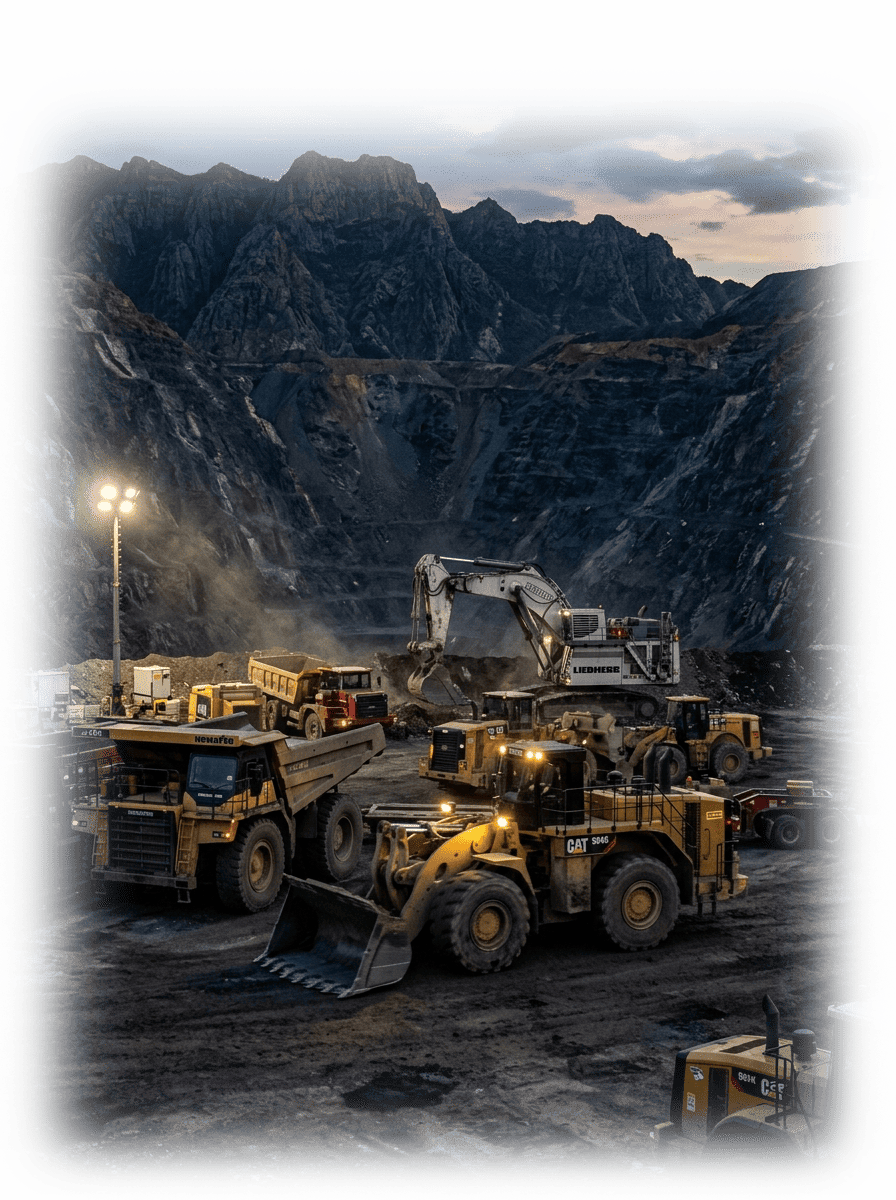
- Mining companies
- Haul trucks
- Locomotives
- Diesel power generation
- Heavy transportation
- Industrial facilities
The Challenge
Industrial diesel equipment operates under:
- High thermal loads
- Extended operating cycles
- Variable fuel quality
- Extreme temperatures and operating conditions
These factors result in:
- Intensive soot and PM formation
- Increased backpressure
- Overheating
- Accelerated turbocharger wear
- Frequent DPF regenerations
- Unplanned downtime and maintenance
What MiaNOx Does

- MiaNOx LNC Industrial controls the combustion process inside large-bore diesel engines, preventing the formation of Black Carbon and Particulate Matter (PM) during the combustion stage.
- The technology operates before pollutants enter the exhaust system, reducing the load on DPF, SCR, and turbocharging systems.
Benefits for Industrial Operators
- PM reduction ≥ 90%
- Black Carbon reduction ≥ 90%
- Fuel consumption reduction starting from 4%
- Reduced DPF regeneration frequency
- Reduced backpressure
- Reduced load on turbochargers and exhaust systems
- Reduced unplanned downtime
- Reduced maintenance and repair costs
System-Wide Effect
- Scalable benefits across equipment fleets, facilities, and entire industrial groups
- Reduced total OPEX
- Improved process stability
- Extended equipment service life
- Reduced burden on maintenance infrastructure
Critical Applications
- Mining haul trucks (100–300 tonnes)
- Locomotives
- Stand-alone power generation
- Equipment operating in cold climates
- High-utilization industrial assets
Operational Model
Conventional Operation:
Soot Formation Increased Backpressure Overheating Wear Repairs
With MiaNOx:
Reduced PM Formation Stable Combustion Lower Load Extended Service Life
The technology operates inside the combustion chamber and reduces the load on DPF, SCR, and turbocharging systems without equipment modernization.